While some birds are bold, brash, and easy to spot, others are much more elusive. Simon Smethurst, who is head of sales at Honeyfield’s, reveals how they can be welcomed into gardens with some clever tactics.
“The nature of the more secretive species makes them challenging to see,” said Simon. “But with a little extra effort you will soon know all the tricks about how to attract them and your garden will be adorned with numerous of the lesser known, but equally beautiful garden birds.”
Wrens, Dunnocks, Treecreepers, Blackcaps, Chiffchaffs, and other Summer Warblers
Blackcaps and Chiffchaffs are traditionally Summer visitors, spending the winter in Africa but they are starting to overwinter in the UK, especially in the south of England.
All the birds in this group are naturally shy and secretive, preferring the thick understory or deeper vegetation, which makes them less visible in the garden. However, their distinct behaviours and movement patterns can bring joy to those fortunate enough to spot them.
They generally prefer an insect-based diet and are more likely to be attracted by suets, fats, mealworms, and calciworms than by seeds. They tend to avoid standard hanging feeders, as they dislike competing with more aggressive birds and do not like the exposure of a typical feeding station. The key is to be inventive with feeding strategies.
• Paste suets on exposed logs or tree trunks. 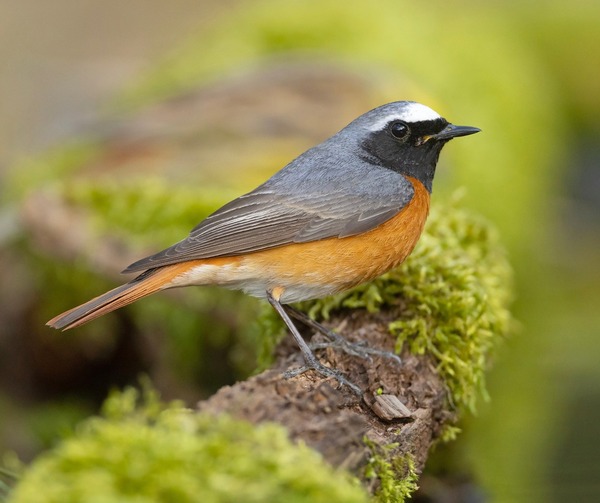
• Smear peanut-based butters into gaps in fences.
• Hide fat balls and suet blocks amongst the twigs in shrubs.
• Set up a small, flat-surfaced feeding station low down and out of sight from larger, bolder birds.
Bullfinches and Hawfinches
Secretive by nature these beautiful birds tend to feed alone and prefer secluded spots but with some clever planning and persistence they can become regular visitors.
• Hang a feeding tray at head height in a tree with plenty of foliage
• Provide longer perches for seed feeders, but exercise caution as this can make the feeders more accessible to larger, more aggressive birds.
• Experiment with different locations in your garden to discover which areas are most attractive to these elusive species.
For all birds
• Protect against rodents or squirrels by using a cage or a squirrel-resistant feeder and feed little and often to keep food fresh.
• Always provide fresh water and keep water bowls clean to maintain a healthy environment for all your avian guests.
“Attracting these special and secretive birds requires a bit more effort and persistence,” said Simon. “However, with dedication, you may be rewarded by the appearance of new and fascinating visitors in your garden, perhaps even a species you have never seen before. Once these birds discover a reliable food source, they often remain loyal, provided the food is kept topped up.”
Honeyfield’s offers an exceptional range of wild bird feeds designed to support wildlife throughout the changing seasons. From high-energy sunflower hearts and nutritious seed mixes to suet treats and mealworms, there’s a feed for every species and dietary requirement. An innovative variety of feeders are also available to help your customers create a thriving, natural environment where birds and other wildlife can flourish.
The ranges are competitively priced for consumers to be able to feed the best, while retailers can benefit from good margin structures and introductory stocking incentives.
To find out more about the Honeyfield’s range visit: https://www.honeyfieldswildbird.co.uk/